


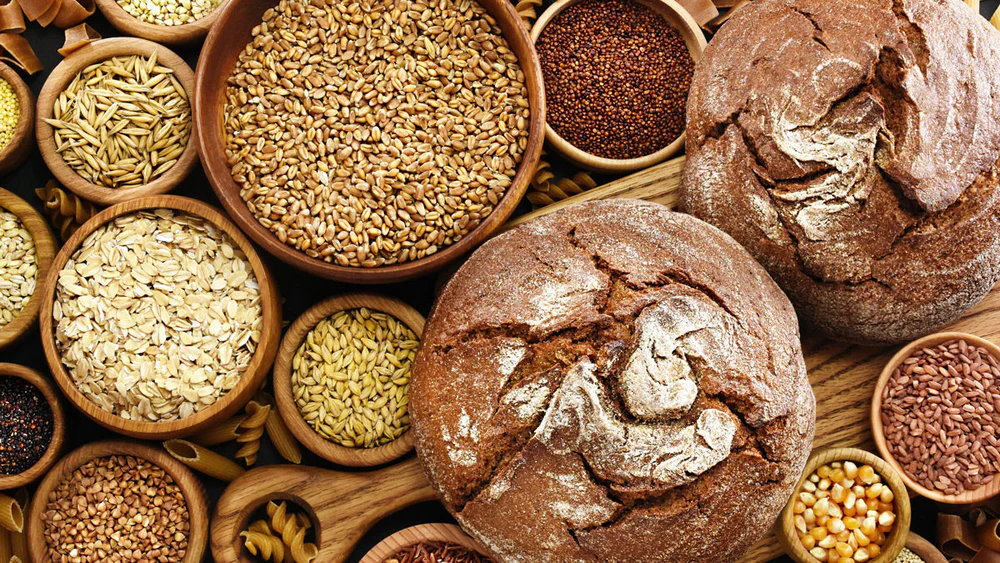
While Health and Human Services Director, RFK, Jr. may have literally turned the traditional “food pyramid” upside down, nutritional experts remind us that whole grains are still essential for good gut heath.
The newly revised daily food guidelines prioritize protein, with an emphasis on consuming meat, seafood, dairy and eggs. The guidelines also state that people should aim to eat three servings of vegetables, two servings of fruit and two to four servings of whole grains per day. Literally regulating fiber-rich whole grains to the bottom of the pyramid. All of this is a dramatic change from the previous recommendations, which prioritized vegetables, grains and lean proteins over red meat and dairy.
However, doctors and nutritionists still insist that eating fiber-rich foods is essential for our overall gut health. Both legumes and whole grains are a valuable source of fiber, a nutrient the vast majority of Americans are not consuming enough of, they say and now that the pyramid has de-prioritized the entire category, there is a fear among them that consumption could drop even more.
Whole grains and fiber-rich foods are essential for optimal gut health, providing at least 25 grams of daily fiber to nourish beneficial gut bacteria, enhance microbial diversity, and promote proper digestion. These foods, including oats, barley, and beans, reduce inflammation, prevent constipation, and produce short-chain fatty acids that protect the colon, reducing risks of chronic diseases.
Luckily, it’s easy to incorporate this overlooked nutrient into your diet!
Here are some easy ways to add whole grain fiber to your diet:
Grains and cereals
- As a general rule, include at least one serving of whole grain in every meal.
- Keep a jar of oat bran or wheat germ handy. Sprinkle over salad, soup, breakfast cereals and yogurt.
- Use whole-wheat flour when possible in your cooking and baking.
- Choose whole grain bread. Look on the label for breads with the highest amount of fiber per slice.
- Choose cereals with at least 5 grams of fiber per serving.
- Keep whole-wheat crackers on hand for an easy snack.
- Cook with brown rice instead of white rice. If the switch is hard to make, start by mixing them together.
Why Are Whole Grains and soluble fiber so important?
Soluble fiber has been shown to reduce total blood cholesterol levels and may improve blood sugar levels in people with diabetes.
The best sources of soluble fiber are oats, dried beans and some fruits and vegetables. Although there is no dietary reference intake for insoluble or soluble fiber, many experts recommend a total dietary fiber intake of 25 to 30 grams per day with about one-fourth — 6 to 8 grams per day — coming from soluble fiber.