

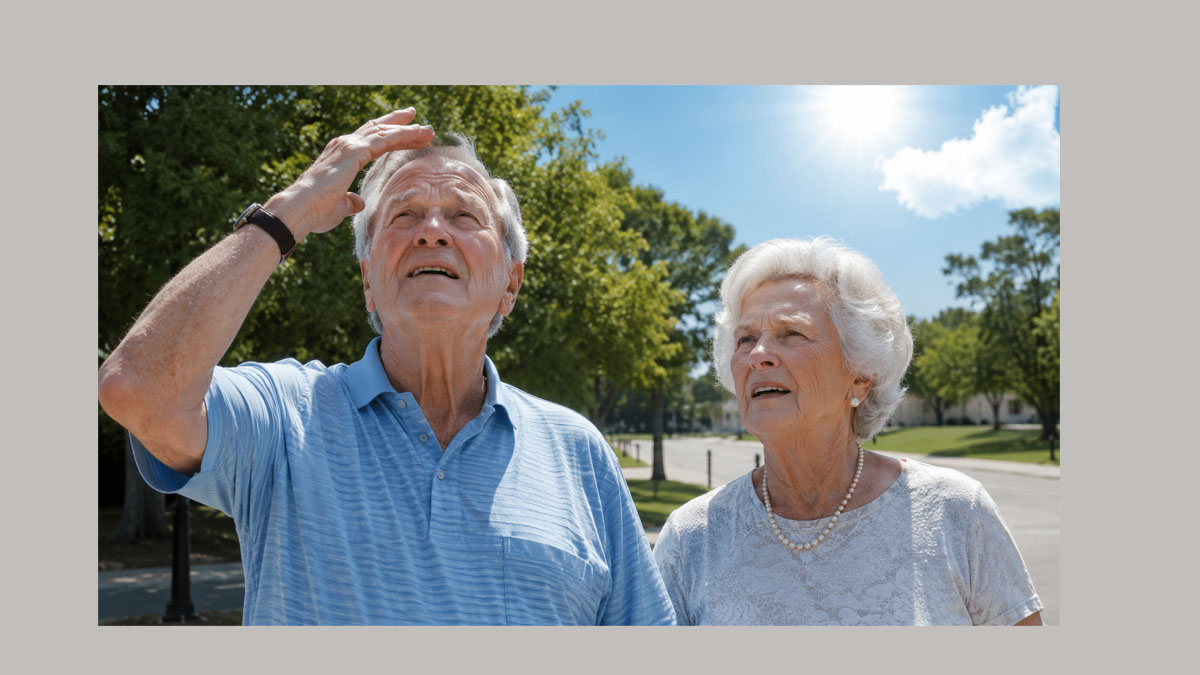
The Study: Who Conducted It and What They Found
Researchers at the University of Southern California (USC) Leonard Davis School of Gerontology analyzed data from 3,686 older adults across the U.S. Using blood samples, they examined biological aging markers known as epigenetic clocks, which assess changes at the molecular and cellular level. These markers were then compared against six years of climate data, focusing on the number of extreme heat days—defined as days reaching 90 degrees Fahrenheit or higher. The results were striking: individuals living in areas with more than 140 extreme heat days per year exhibited biological aging that was up to 14 months faster than those in cooler climates with fewer than 10 extreme heat days per year. Over a one-to-six-year period, prolonged exposure to extreme heat was associated with an increase in biological age by up to 2.48 years.Why Are Older Adults More Vulnerable?
While extreme heat can affect people of all ages, older adults are particularly susceptible due to a combination of physiological and environmental factors. As people age, their bodies become less efficient at regulating temperature. The National Institute on Aging notes that older adults sweat less and experience reduced skin elasticity, making it harder for the body to cool down naturally. Additionally, many older adults take medications that can interfere with their ability to respond to heat stress. Another key factor is cumulative exposure. Unlike younger individuals, who may have years to recover from periodic heat exposure, older adults accumulate damage at the cellular level over time. This ongoing stress contributes to epigenetic changes, effectively accelerating biological aging.The Numbers: How Significant Is the Impact?
The study’s findings highlight a significant health risk. Researchers discovered that:- Older adults in extreme heat regions age up to 14 months faster biologically than those in cooler areas.
- Prolonged heat exposure increased biological aging by 2.48 years over a six-year period.
- The impact of extreme heat on aging is comparable to the effects of smoking or heavy alcohol consumption, both of which are well-established risk factors for premature aging.
