

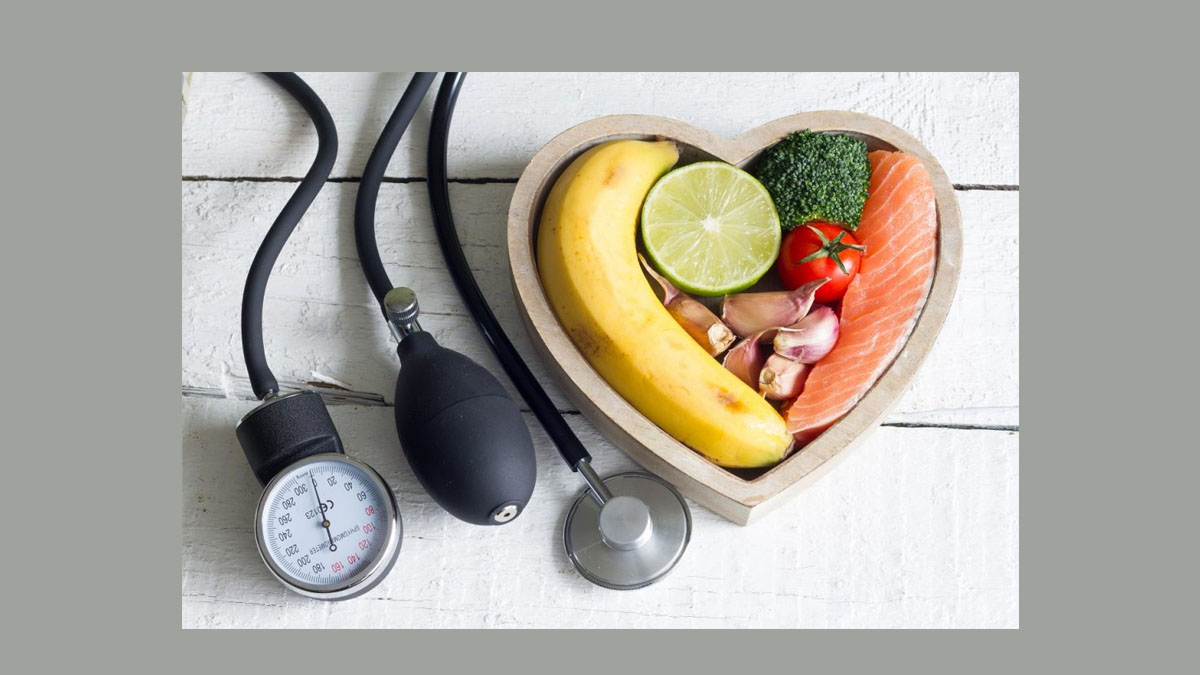
Did you know that more than half of adults with uncontrolled high blood pressure in America don’t even know that they have it? When left untreated, high blood pressure, also known as “hypertension,” can raise the risk of cardiac events such as heart attack and stroke and other health problems like kidney damage, early cognitive decline, and dementia.
The good news is, experts say there are steps you can take to lower your blood pressure, without the use of medication. To lower blood pressure naturally, focus on losing excess weight, exercising at least 150 minutes weekly, eating a balanced diet (like DASH), cutting daily sodium intake, increasing potassium-rich foods, limiting alcohol and caffeine, quitting smoking, managing stress, and prioritizing consistent, quality sleep.
Here are 10 highly effective, natural ways to manage and lower your blood pressure:
- Shed Extra Pounds: Blood pressure typically increases as weight increases. Shedding just a small amount of weight can significantly reduce the strain on your heart.
- Exercise Regularly: Aim for 150 minutes of moderate-intensity aerobic exercise per week (like brisk walking or cycling). Isometric exercises, like wall sits, have also been shown to effectively lower blood pressure.
- Adopt a Heart-Healthy Diet: Follow a diet rich in whole grains, fruits, vegetables, and low-fat dairy. The DASH Diet is specifically designed by clinical experts to stop hypertension.
- Reduce Sodium (Salt) Intake: Even minor reductions in dietary sodium can improve heart health. Avoid highly processed foods and check labels for sodium content.
- Eat Potassium-Rich Foods: Potassium acts as a natural offset to the negative effects of sodium. Incorporate foods like bananas, spinach, sweet potatoes, and avocados into your daily meals.
- Limit Alcohol Consumption: Drinking alcohol can raise blood pressure. Limit consumption or avoid it entirely to keep your heart healthy.
- Cut Back on Caffeine: If you are sensitive to caffeine, its consumption can cause a temporary spike in blood pressure. Consider switching to decaf or reducing your daily intake.
- Manage and Reduce Stress: Chronic stress keeps the body in a state of high alert, which elevates blood pressure. Practice structured stress management techniques like deep breathing, meditation, or yoga.
- Quit Smoking: Every cigarette causes a temporary spike in blood pressure that lasts for minutes after you finish. Smoking cessation improves overall cardiovascular health significantly.
- Prioritize Quality Sleep: Poor sleep quality and sleep deprivation can contribute to hypertension. Try to maintain a consistent sleep schedule to allow your body and blood vessels to rest.
Making these 10 lifestyle changes is a long-term journey. Some days it might feel challenging. So, ask your family or friends for support when you need it. Your loved ones may encourage you to take care of yourself, drive you to healthcare checkups or start an exercise program with you to keep your blood pressure low.
